Natural Remedies & Vitamins for Hormonal Imbalance
Your hormones play a role in almost every function in your body, and if your levels are out of whack, it can have major impacts on your health. Hormones are the chemical messengers in the ecosystem of your body, so imagine if the messengers in our lives, like the news or the mail service, weren’t working like they were supposed to. It would cause chaos!
A hormone imbalance can affect your physical, mental, and emotional health, it’s common to find hormone imbalances in men and hormone imbalances in women. You might have trouble controlling your appetite or sleep if your hormones are out of balance, for example, or can leave you feeling lethargic or more depressed than usual. If you suspect you have a hormone imbalance, there are some simple lifestyle changes that you can consider making that will help you to get things back on track and feel better! Here are some natural remedies to help a hormone imbalance.
Magnesium
Magnesium is an essential mineral, meaning that humans need it to be healthy. It’s found in foods like whole grains, dark, leafy vegetables such as kale or spinach, and legumes like beans or chickpeas. It’s also found in dark chocolate! Adding more of these foods to your diet can be a good way to help with magnesium levels, but many people take a supplement or use a magnesium spray or soak to absorb the mineral through their skin.
Upping your magnesium intake can help you balance your hormone levels, and it can also help you sleep better and reduce any muscle cramps you might be having.
Healthy Fats
Fat is a necessary part of any human diet, and consistently eating foods that are low in fat can be detrimental to your hormone levels. A hormone-healthy diet will contain plenty of healthy, nutritious fats like fish, avocados, nuts, and olive and coconut oils. Fats like these are called MCTs (medium-chain triglycerides) and omega-3s, and they’re also good for your brain health!
B Vitamins
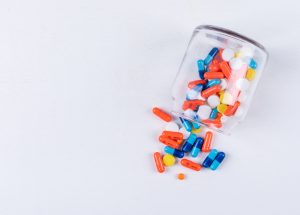
There are eight different B vitamins in total, and they all have different jobs they do in the body. Making sure you take in your B vitamins can help you to deal with hormonal imbalances. You can take a B-complex supplement to help with this, but you can also get the B vitamins from your diet.
A lot of the usual vitamin-rich suspects show up here, like salmon and dark leafy greens. Eggs and nutritional yeast are also good choices, as well as sunflower seeds, beef, trout, shellfish, poultry, beans, and organ meats like liver.
Protein
Protein provides the body with amino acids, which are essential nutritional molecules that the body can’t make on its own. Some of your hormones are actually made of these amino acids, called the peptide hormones, and they help control things like growth, energy metabolism, appetite, stress, and reproduction.
High protein foods like eggs, chicken breast, lentils, or fish are important to include throughout the day. Not only will they help you feel fuller longer, they will help give your body the building blocks it needs to create other essential hormones that control your health and how you feel.
Making simple lifestyle changes like these that help balance your hormone levels can really improve how you feel and function throughout your day, but if you feel that the results you’re getting from these healthy choices are still not enough, it’s time to turn to the experts. A hormone replacement therapy center like Renewed Vitality can get you feeling better with bioidentical hormone treatments to help your body achieve the levels it needs. Contact us if you’re interested in learning more!
Diet is a major part of how our bodies operate. Food is the fuel that we put into the burner, and so it can largely dictate how our bodies grow and respond to the environment, and it can even affect hormone production. While there are several other factors regarding the production of testosterone, the food we eat plays a role. Let’s unpack the causes of lowered testosterone, and what can be done about it.
What Are The Causes Of Low Testosterone?
There can be a wide range of factors when it comes to lowered testosterone production. Over time, production can naturally wane and decrease, or it can be related to pituitary or adrenal gland issues. Diet can also play a part. Some foods provide the nutrients necessary for healthy testosterone production, while others can impede it. Here are some foods you should eat—and some you should avoid—when seeking to boost your testosterone levels.
Food To Boost
Diet doesn’t always return immediate results when it comes to hormone production. Think of it as a way to improve your internal environment so that your body can more easily produce testosterone. Eating foods rich in these nutrients that your body needs to produce testosterone is a better option than just taking supplements because of the overall effect of a healthy diet.
Vitamin D Low-Fat Milk
Vitamin D is a major resource the body needs when it comes to hormone production, specifically testosterone. Milk is an important component of any diet to develop and maintain strong bones and teeth, but with the added benefit of a vitamin D boost, you’re further increasing the benefits.
Zinc Rich Foods
Red meat, beans, and seeds are all excellent sources of zinc. This mineral is important in testosterone production, and when eaten in the right amounts, can provide benefits beyond simply boosting zinc levels. However, eating too much red meat has been linked to serious health risks like raised cholesterol and potential bowel cancer.
Fatty Fish & Fish Oil
Fatty fish—like salmon, sardines, and trout—are full of important omega-3 fatty acids. Fatty acids have been found to have a positive correlation towards improved testicular function, and therefore improved testosterone production. Other benefits include reducing risk factors for heart disease, improved eye health, and even combat depression and anxiety.
Eggs
More specifically, egg yolks. These are great sources of vitamin D as well as other nutrients such as calcium, magnesium, potassium, and more. While you need to keep an eye on your intake if you have known cholesterol issues, most people can safely incorporate this nutrient rich food without much concern.
What To Avoid
Plastic-Wrapped or Canned Foods
According to a 2013 study, those who worked in environments with lots of BPA had lowered testosterone levels. While the average consumer isn’t exposed to nearly that level of BPA, one article found that a vast majority of men attending a fertility clinic had BPA in urine samples. While reducing your intake of foods prepackaged in this way may not make all of the difference, it can’t hurt, and encourages eating fresher foods.
Highly Processed Foods
Trans fats have been linked to decreased testicular function in men. These kinds of fats are most commonly found in highly processed foods that are also high in extra sugar and sodium. Whenever you look at something that might be an easy-to-grab snack or is extra convenient, take a look at the nutritional label to see what you’re putting into your body.
Alcohol
Before we get ahead of ourselves, this does not mean that alcohol should be avoided at all costs, but drinking in excess can have detrimental effects. In one study, it was found that it had a reversing behavior across genders; men who drank more had lower testosterone, and women who drank more had higher.
How Do You Plan For A Testosterone Rich Diet?
Whenever you set out to correct bodily function with diet, it’s important to discuss this with a hormone specialist or a professional nutritionist. Everyone’s bodies work differently, so talking to a professional about your concerns is the best way to get a baseline for yourself.
In the case of lowered testosterone, diet is a great place to start, but a doctor may have other recommendations. Exercise and hormone replacement therapies can also be incorporated alongside dietary changes to further improve testosterone production.
When it comes to eating healthy, life doesn’t make it easy. Between easy-to-grab snack options, fast food, casual dining, and the occasional indulgent restaurant meal, how does someone keep to a set weight loss regiment? On top of that, as our bodies age and process food differently, our diets may have to change out of necessity.
When we’re younger, our bodies can typically process food more quickly and handle a greater variety of foods without slowing down. At a certain point however, our metabolisms switch into a slower gear and begin storing those calories more than burning them. At this point carefully looking at your dining out plans can go a long way towards avoiding picking up some extra pounds.
1. |
So What Do You Do?Coming to terms with the fact that we can’t eat like we used to is an important first step. When we’re at home, it’s possible to make conscious decisions about the foods we put on our plate. But we don’t always eat at home. Keeping an eye on the foods we eat while we’re out can be a major source of extra calories and fat. Here are some helpful tips when dining out that can keep you from turning a small treat into a broken diet! |
2. |
Load Up The The Healthy StuffWhen looking at menu options, lots of entrees come with a side option. Your first move should be to look at the vegetable options and see if there’s a way to turn those into larger portions. Most locations don’t have a problem with adding an extra portion of broccoli or something similar. Additionally, many plates come with a garnish of veggies, so why not ask for more? Making sure your meal is made up of more of these kinds of foods ensures that you’re not filling up on food that’s not exactly within your diet parameters. |
3. |
Ask Questions!No one wants to be “that person” at a dining out experience, but go ahead and ask how the food is specifically prepared. Menus regularly prop up food using language that might not accurately describe how a food item has been cooked. Asking the question and confirming that the food has been grilled, steamed, or roasted can save you heartache later on. |
4. |
Savor The FlavorWhen you actually get to eating your meal, take your time. One of the problems with eating out is that you feel like you’re on the clock and need to eat more quickly. Because it takes time for our bodies to let us know how full we actually are, you could be overeating without realizing it. Take your time and enjoy your food and the atmosphere of the place you’re eating. That next bite will be very much the same as the one you just had, so there’s no rush! Waiting for that signal from your stomach that you’ve had enough can keep you from eating yourself out of a diet. |
5. |
Avoid The Unlimited OptionsThis goes without saying, but skip on the unlimited refills when you’re eating out. Those options are typically overpriced, and we’re encouraged to try to get the most for our money. If you find yourself without a choice, try loading up your plate with salad to prevent picking up too many unhealthy options at once. |
6. |
Ask For A Box Right AwayWhen ordering, make a point to ask for half of your portion to be put in a box before it even gets to your table. If you don’t see it actually on your plate, you won’t expect to eat it right away. In addition, you’ll also have food for later! |
7. |
Read “Healthy” Options CriticallyEven if a plate says it’s low-carb or low-fat, that doesn’t necessarily make it healthy. In order to compensate for the reduced fat, many recipes add lots of salt, which can cause you to retain more water and result in other unhealthy factors. This is a situation where writers may have technically told the truth, but are actually just omitting some information. “Sugar-free” doesn’t mean there’s no sugar. It usually means no high fructose corn syrup or simple sugar has been added, but sugar from other sources is still sugar. Don’t fall for the claims! |
It’s About More Than One Meal
At the end of the day, one meal shouldn’t derail your diet overall. If you slip a bit once, that’s not a big deal, but it’s the continued pattern that can arise from slipping often. So think about how your occasional dining out experience can impact your diet. Does it fit with the rest of your meals? Is it sustainable along with your other food choices?
By following these simple pieces of advice and being mindful about your dining out decisions, it can be much easier to maintain a diet over a long period of time. Consistency is key, so by going over your expectations before going out, you can set yourself up for success. Continuing positive patterns of eating and activity can make all the difference in a weight loss plan. Even when you have a minor misstep, don’t be discouraged—stick with it!
If you’ve ever tried keeping track of your dietary intake, you’ve probably heard the terms “good cholesterol” and “bad cholesterol.” When it comes to taking an active interest in the composition of your food, cholesterol is usually one of those areas people think about, but it can be hard to track. In order to keep a handle on your good and bad cholesterol levels, the best method is to maintain a healthy diet. Here’s some information to inform your dietary decisions and improve your health!
How Can You Tell?
Unlike hormonal changes that result from having too much or too little of a hormone, having higher or lower cholesterol is typically not noticeable until something major occurs like a heart attack or stroke. The only way to know for sure if your cholesterol is too high is to take a blood test. Professionals recommend getting a cholesterol test every 4 to 6 years after you turn 20 years old.
The Bad: Low-Density Lipoprotein (LDL)
LDL is the kind of cholesterol that sticks in your body more stubbornly and can cause problems in higher amounts. When LDL levels are too high in your blood, it can start to stick to the sides of your arteries and lead to an increase of heart disease, stroke, heart attack, and a variety of other issues. LDL cholesterol dense foods like fried foods, fast foods, heavily processed meats, and desserts are huge factors in raised “bad cholesterol” levels.
The problem is that once this cholesterol begins to stick to your blood vessels, it’s hard to remove it without medication. If you find out you have high or elevated LDL cholesterol levels, you should talk with your doctor about how to handle that moving forward. It is possible to make lifestyle changes that result in a better outlook in the future however!
Sources of LDL
- Fast Foods
- Deep-Fried Meat and Cheese
- High-Sugar Low-Nutrition Foods
- Processed Meats (sausages, hot dogs, bacon)
- Fatty Desserts
The Good: High-Density Lipoprotein (HDL)
Sources of HDL
- Eggs
- Shellfish
- Avocado
- Fatty Fish (salmon, rainbow trout, albacore tuna)
- High-Fiber Fruit
- Whole Grains
Having a higher HDL level is actually a good thing. HDL carries LDL to different parts of the body where they can be broken down and used. Without HDL, LDL can start to build up. The key to improving your “good cholesterol” is to eat foods that have significant nutrients attached to them. Eggs, shellfish, and lean protein-rich red meats are some such foods.
By incorporating more olive oil, beans, high-fiber fruit, and fatty fish into your diet, you’ll raise your HDL levels and thus take solid steps towards improving your health. These foods are chock full of the right kinds of fat and cholesterol that your body needs. Studies have found that higher HDL levels can lead to a lowered risk of heart disease, stroke, and hardening of the arteries.
Can Hormones Affect Cholesterol?
Hormones affect how the body regulates itself and cholesterol levels are definitely affected by the amount of certain hormones within the body. Estrogen levels especially can create a fluctuation in HDL and LDL cholesterol in the body. Throughout a menstrual cycle hormone levels can fluctuate as much as 19 percent as levels of hormones shift in the body.
Thyroid hormone can also affect how your body goes about storing or transporting cholesterol. If you have elevated levels of one of these, it could very well affect levels of the others. Talking to your doctor or a healthcare professional is the best way to determine how to proceed with your health in regards to your cholesterol.
Studies have found that with continued hormone replacement therapy, LDL levels have been improved, so talk to your doctor about this as a possibility!
Talk To Your Doctor
By planning on talking to your doctor, you can schedule the necessary blood tests, check on hormone levels, and discuss lifestyle changes to improve your overall health. Talking to your doctor or medical professional early on, it’s possible to identify these issues before they become long term problems. It’s also the only way to address existing cholesterol buildup so that you can move forward with a healthier and happier lifestyle.
In order to maintain or achieve a healthy weight and lifestyle, many people go on crash diets in an attempt to get results fast. Usually the hippest fad in dieting advocates for an extreme food related behavior, such as eating only meat, or avoiding sugar all-together. It can also be related to excessive exercise. The problem with these diets is that after initial results (or sometimes no results), they can lead to increased weight gain and a redoubling of unhealthy habits, known as the Yo-Yo Effect.
Why Does This Happen?
When we quickly push our bodies to extremes they aren’t used to, it can backlash against our habits. If you’re used to eating a high number of daily calories, and cut it down to an extreme low, your body can go into shock and the diet will become unsustainable. When the structure of the diet falls away, someone who was heavily restricting calories may take in even more calories than before and regain the lost weight. Someone who has spent day after day in the gym might take weeks off between gym visits. This loss/gain cycle can cause serious problems within the body like depression and exhaustion.
It’s not always about failing at a diet or not having a sense of commitment to follow through. For some people a crash diet is a get-fit-quick plan designed to get them the body they want quick. Sometimes though, these changes are not sustainable. For example, consistently buying groceries that are way out of your budget makes it impossible to maintain the lifestyle over the long term.
How To Avoid The Yo-Yo
The key to avoiding the bounce back from a failed fad diet is to think about your plans ahead of time. Before diving in keep these tips in mind:
Do Some Critical Reading
Check up on the history of the diet. Who was involved in developing it, and does it have a vetted source to back up its claims? Is there documented proof? Who is advocating for this diet? How many other diets have they supported in the past? If a celebrity is lauding the benefits of a new diet less than 6 months after their last new diet, it might be worth waiting to see how this new one pans out.
Does It Fit Your Lifestyle?
While a new diet begins sweeping across social media and news sources, take it with a grain of salt. Critically look at what the diet is asking you to do, and consider if it’s something you can reasonably incorporate into your daily life. Adjusting your lifestyle in such a way that it’s done using smaller changes means you’re more likely to keep up with the diet.
Plan Ahead
It’s also important to look at the whole course of the diet. Does it change over time? On day 30, do you need to stop eating all grains cold turkey? A common reason people stop following diets is also because of an unforeseen challenge within the diet itself.
Talk To A Professional
As always, before you change your diet significantly, and especially before attempting any of these crash diets, seek out the advice of your doctor or a medical professional. This way, you can discuss your expectations and get a better idea about what you should be doing to achieve the kinds of effects you want from a lifestyle change. In addition, talking with a trained professional can shed some light on how to make significant changes to your diet and lifestyle stick beyond a few weeks.
In order to keep yourself on the right path, it’s important to note that no single diet has all of the answers no matter what they promise in their book or commercials. Talking with your doctor, a nutritionist, and critically looking into any new diets you’re considering is incredibly important before getting caught in a Yo-Yo situation.
We’ve all been there: you’re out eating with friends and someone orders the fried stack of onion rings for the table. Someone else gets that double-stacked burger with three different kinds of cheese. Looming at the end of the meal is the ever present temptation of dessert. It all looks so good!
How is it possible to maintain a diet when going out to eat presents so many opportunities to cheat on your diet? What can you do to better your chances of making it through to the other side while continuing to eat healthy? Here are some helpful healthy tips to keep in mind!
Make a Plan Ahead of Time
Most restaurants offer their menus online, so if you can, look ahead and try to find a healthy option that appeals to you. It’s easier to make these kinds of decisions at home and away from the influence of the “I’m hungry now” thoughts. If you pick your meal before you even get to the restaurant, not only will you probably save time once you get there, you’re more likely to stick to your decision.
Pass on the Pasta
While pastas are definitely delicious, they’re usually empty carbs and can lead to you feeling bloated and hungry later. Look for high protein options like leaner cuts of meat to offer a satisfying and filling choice. Chicken, especially chicken breast, is a solid choice when looking for lower fat protein selections, as are leaner cuts of steak. Make sure you pay attention to how the meat is prepared though. Restaurants often use excessive amounts of butter and salt to enhance flavors, which can eliminate the positive aspect of these lean options.
Avoid the Sugar Water
When going out, it’s common to splurge on yourself and get a sweet drink like a soda or sugary mixed cocktail with dinner. While it may not seem like it, these drinks are full of calories that stick with you long after the meal is done. Water or low sugar options like a dry glass of wine or beer are fine choices to accompany any meal.
Pre-Game Your Meal
Before heading out, maybe indulge in a light snack beforehand. This can help you avoid making hungry decisions at the restaurant. Some fresh-cut vegetables and dip, olives for the salty craving, or even some unsalted nuts to stay your appetite. Here are some other options!
Read the Menu Carefully
Menu writers know how to draw in the hungry consumer. By using words like “pan-fried,” “dipped,” “battered,” and “crispy,” menus are able to give you a clear idea about what you’ll probably be getting. While these words may be enticing, remember that they’re also indicators that those foods are probably not the best option. They all reference fatty food-prep practices that are a sure way to break your diet. Looking for words like “grilled,” “roasted,” or “steamed” for a better direction to go in.
You Don’t Have To Eat It All
Once you feel full, don’t force it! Restaurants have boxes for a reason; their portions are usually too large for a single meal anyway. Don’t let your food linger on the plate in front of you, or you might start thinking that you can finish it all at once. By letting the food you’ve already eaten sit for a bit in your stomach, you’ll realize how full you actually are without the extra portion on top. Plus, you’ll have a meal for later by saving leftovers now!
These are just a few steps that can go a long way towards maintaining healthy eating habits while eating out. Remember, just because you’re eating out, doesn’t mean you can’t stick to your diet plan! By following these helpful tips, you’re that much more likely to stick to your plan!
SP weight loss might sound like some scary science experiment that will leave you somehow thinner, but that couldn’t be further from the truth. SP weight loss, the Serotonin-Plus weight loss program is a medically managed program that will help you feel happier and healthier.
No More Yo-Yo Dieting
Maintaining a healthy weight is always a challenge, especially in our modern world filled with temptations no matter where you turn. And, sometimes it seems like no matter what you do losing weight is impossible. Taking on weight loss alone is a difficult task, and that’s where Renewed Vitality’s Serotonin-Plus Weight Loss Program comes in.
The Serotonin-Plus Weight Loss Program gives you the support you need to ditch bad habits once and for all. Our approach incorporates diet, behavioral changes, and professionally administered medication to boost your metabolism.
Happy and Healthy
Serotonin is the “feel-good” chemical that our brains produce whenever we do something that makes us happy. Unfortunately for all of us that means whenever we give into temptations and eat foods high in sugar and carbohydrates our brain is rewarding us with a little dose of serotonin.
With the Serotonin-Plus program, serotonin is used to our advantage in weight loss. You will get a custom diet that is packed with healthy foods and proper portions. The diet will help you make better choices when you get those cravings and with the support of serotonin your brain will start to make happy associations with all those healthy foods your body needs.
Okay, But What’s the Plus?
Better Diet
The Plus starts with a better diet and when you enroll in the program you will receive an entirely custom made diet plan that removes any guesswork from what you should be eating. Our emphasis is on education, we want to make dieting second nature, something you can do without anyone’s help. You will learn to balance food groups, plan out proper portions, and learn how to apply everything you’ve learned into real life.
Lifestyle Changes
Trained professionals at Renewed Vitality will teach you to become more aware of what you’re eating and how you eat it. You will learn how to eat healthy without interrupting your lifestyle; it will become a part of your lifestyle. Whether you’re eating out, celebrating the holidays with friends and family, or just cooking for yourself at home, you will know how to make the right choices! And, with monthly check-in appointments for a full year you will have the support you need to ensure lifelong changes!
Medical Supplements
Along with all of the other support, you will be administered a small dose of phentermine which is a stimulant that suppresses your appetite and jump starts your metabolism. Phentermine has been used as a weight loss supplement since 1959. Phentermine helps you lower your cravings by stopping them dead in their tracks.
Is Serotonin-Plus Right for Me?
Serotonin-Plus has helped countless people, both men and women, defeat the difficulties of losing weight and breaking unhealthy habits. If you’ve tried every diet, every exercise regiment, and everything in between with no results, then Serotonin-Plus is probably the perfect option for you.
Renewed Vitality schedules a consultation with every single prospective weight loss patient before beginning the program. You will go over medical history, current medications, and other important personal details to determine whether or not Serotonin-Plus is a fit for your needs.
Don’t take on weight loss alone, let Renewed Vitality help you every step of the way!
Estrogen is a very important hormone that plays huge roles in the bodies functions — in women and men. Maintaining balanced levels of estrogen is key to creating a healthy lifestyle, and once you start your hormone therapy it is super beneficial to pair it with a diet that boosts your body’s estrogen! This doesn’t mean a complete change in your eating habits, but adding these foods here and there could make all the difference.
If you’re not sure if you have a hormone imbalance, check out this post about the 6 signs of a hormone imbalance.
The foods below contain phytoestrogens which are dietary estrogens that naturally occur in some foods. They aren’t bioidentical hormones like those that you will receive during hormone therapy, but they can be beneficial regardless.
Dried Fruit
Dried fruits like apricots, prunes, and dates contain much higher levels of phytoestrogens than their fresh varieties. These delicious dried fruits are a great snack, keep them in on your desk at work, in your bag, in the glove box, or pretty much anywhere ready for you to much on them. That’s the beauty of dried fruits, they can last for up to six months after you open the package!
Garlic
Garlic is used in cooking around the world, and with 603 micrograms of phytoestrogens per 100 grams, it should definitely be used in your kitchen. Garlic is easy to add to almost anything and will give any recipe that kick it needs.
Flax Seeds
Flax seeds, or linseeds, contain lignans which are a type of phytoestrogen. Flax seeds can easily be added to a smoothie in the morning, your sandwich and salad at lunch, and sprinkled over rice or any other side at dinner. This estrogen boosting ingredient is super versatile, so there’s no reason not to include it in your diet.
Try adding it to yogurt with granola for a parfait like no other!
Hummus
We all know how delicious hummus is for dipping with veggies, pita, and pretty much any other snack, but did you know that hummus actually contains an average of 993 micrograms of phytoestrogens per 100 grams! Don’t feel guilty about finishing the whole tub, just attribute it to your new balanced hormone lifestyle.
Cruciferous Veggies
Broccoli, cabbage, brussels sprouts, and kale are all great sources of lignans. And, with so much variety you can eat these vegetables for pretty much any occasion. Snack on raw broccoli, make a coleslaw with the cabbage, roast the brussels sprouts with some garlic, and make kale chips for the ultimate crunchy snack. Cruciferous vegetables might not sound like the most inviting things, but with their nearly bottomless health benefits and their estrogen boosting qualities, you have to include them in your diet!
Tofu
Tofu is made from soy milk which is naturally high in phytoestrogens, specifically isoflavones which can protect from a myriad of age-related illnesses like heart disease and even cancer. Tofu is an awesome ingredient because of its versatility. I use it in stir frys, breakfast burritos, and soups, but the sky’s truly the limit with tofu!
While all of these foods are certainly a great way to help boost your estrogen levels, there is nothing quite like hormone therapy. It’s important to remember that only a trained profession can help alleviate all the symptoms of hormone imbalance, but that a healthy diet is just one part of the process.
Before making any major changes to your diet please consult your healthcare provider.
For more foody tips check out this post about foods to avoid and healthy alternatives!