What to Know about Menopause and Eyesight
Menopause is defined as the time in a woman’s life after her period has permanently stopped, but it affects so much more than just the reproductive system! As any woman who’s been there can tell you firsthand, the hormonal changes that menopause brings on can have effects on just about everything in your body, from your skin to your energy levels, and your eyes are no exception.
Most people expect to see changes in their eyesight as they age, but there are some links between the changing hormone levels of menopause in women and altered eyesight. This is one of the lesser known symptoms of menopause, and it can come as a bit of a shock to women who aren’t expecting it, but knowing that it’s coming can prepare you to deal with this change along with many others that you’ll experience as you age!
How Does Menopause Affect My Eyes?
The hormones most associated with menopause and the menstrual cycle (estrogen, progesterone, and other sex hormones) do much more in the body than just manage reproduction. These chemical messengers do jobs all over the human body, and when their levels change, so does everything else. Scientists are still working to figure out exactly how hormones like estrogen and progesterone affect the eyes, but it’s clear that there is a link, and many women experience similar problems with their eyes once they enter menopause.
What Changes to My Eyes Can I Expect During Menopause?
Dry eye is the most common eye-related issue for menopausal women, but it’s also common for them to experience blurred vision, glaucoma, the formation of cataracts, and signs of macular degeneration like blind spots and poor depth perception.
How Can I Protect My Eyes During Menopause?
Most people are a little nervous about losing their eyesight as they age. While it is a natural part of getting older that, to a certain extent, can’t be stopped, there are things you can do to help protect your eyesight as much as possible and optimize the health of your eyes!
The most important thing you can do by far is to make regular visits to your eye doctor and follow their instructions and treatment recommendations. Part of why this is so important is disease monitoring. Cataracts, for example, are painless and slow to form, so you might not realize that you have them until they’re already impeding your vision. Glaucoma is another disease with a slow onset that you might not notice yourself until it’s already affecting your eyesight. Seeing your eye doctor at least once a year can ensure that you get an early warning that you’re developing these conditions, and your ophthalmologist can monitor their progress and recommend medications, lifestyle changes, and procedures to slow or reverse them as much as possible.
It’s also important to regularly visit your eye doctor to keep the prescription of your glasses or contact lenses up to date. Straining your eyes is something that you definitely don’t want to do as you age– not only can it lead to headaches and eye fatigue, but it can also cause your vision to continue to deteriorate. Making sure your glasses are at the right prescription so that you can see clearly can protect your eyes in the long run! You should also avoid other activities that strain your eyes, like reading or doing activities like knitting or painting in poor light, swimming in chlorinated water without goggles, and staring at screens for too long without proper breaks to rest your eyes. Maintaining a healthy lifestyle can also help your eye health, so make sure you get your vitamins and minerals either through your diet or a multivitamin, get plenty of exercise for good blood circulation, and work with your doctor to quit smoking or nicotine use if you can.
Another thing you can do to help your eyes, and to work against the other unpleasant symptoms of menopause, is to consider hormone replacement therapy! Adding some of your lost hormones back into your body’s system can help to reduce symptoms like dry eye, lowered libido, low bone density, and much more. Renewed Vitality can help provide you with more information about this treatment option, so contact us today!
The symptoms of menopause are a source of dread for almost every woman as she begins to approach middle age. Hot flashes, night sweats, body changes, thin skin, vaginal dryness– the parade of unpleasantness can seem almost endless. Some level of these symptoms, unfortunately, can’t be avoided, just like some level of PMS symptoms can’t be avoided. However, you’re not completely powerless! There are some things that you can do, even before you enter menopause, to prevent your symptoms from being severe.
Quit Smoking
As if you needed another reason to quit smoking, here comes a big one– smoking can be a contributor to your menopausal symptoms. Engaging in this unhealthy habit can not only make your menopausal symptoms more severe, particularly hot flashes, night sweats, and trouble sleeping, but there’s some evidence that women who smoke can actually begin experiencing symptoms of menopause sooner than those who don’t. The ill effects of smoking on your health and your reproductive system can linger long after quitting, so this isn’t something you want to put off. Start working with your doctor on methods to help you quit now, so that you can reap as many of the benefits of non-smoking years as possible!
Reduce Alcohol Intake
Alcohol is another substance that has been shown to worsen the symptoms of menopause. Especially as you age, consuming a lot of alcohol does nothing good for your health, and menopause is one of the many things it affects, with women who are heavy drinkers reporting more hot flashes and more night sweats. Working to reduce your alcohol intake can help to greatly reduce the severity of these symptoms! You don’t have to completely give up the occasional cocktail or glass of wine, but try to be mindful of your drinking and focus on moderation.
Improve Your Diet
Trying to build a healthy diet and good habits around food and eating can also be wise for women who are in or about to enter menopause. Highly processed foods with lots of sugar and salt and excess intake of caffeine are likely to have a worsening effect on your symptoms. Meanwhile, incorporating lots of fruits and vegetables, whole grains, proteins, and healthy fats like omega-3s can make a big difference in how you feel! It’s also important to get some dairy in your diet if you can tolerate milk. Low bone density is a common problem for menopausal women, and milk, yogurt, and cheese can help to counteract this issue with their high levels of calcium and other essential vitamins and minerals.
Exercise Regularly
Exercise is also a crucial part of keeping serious menopause symptoms at bay. Many women deal with weight gain, decreased muscle density, higher fat levels, and weaker bones during menopause, and regular exercise can help to improve all of these symptoms. Exercise also increases your energy, helps you to sleep better, and boosts your mood– all important things when you’re dealing with the stress of menopause!
Consider HRT
If you’re dealing with symptoms of menopause and you’re finding that healthy lifestyle changes aren’t bringing you the relief you need, hormone replacement therapy might be the option you need to start feeling better again!
Menopause is something that every woman both fears and dreads a little bit. Stopping your period might sound great after so many decades of dealing with it, but all of the other symptoms of menopause make you pay for it!
There’s a slight misconception when it comes to menopause. Most people know that it has to do with your period stopping, but you aren’t actually considered in menopause until you’ve gone a full year without having a period. The time before that happens, where you’re experiencing the classic symptoms like hot flashes and trouble sleeping, is actually called perimenopause, the transitional period where your hormones start changing in preparation for your period to stop completely. As you enter this portion of your life, you can experience a lot of changes to your periods themselves, leaving you dealing with a cycle that you might feel you had just figured out! Knowing what to expect can be helpful in dealing with these changes, so here are some of the ways that perimenopause affects your menstrual cycle.
Changing Cycle
Most women, once their bodies have reached full maturity, enter some state of regularity with their periods, even though “regular” can look incredibly different from person to person. Some people may get their period every twenty-eight days like clockwork, while others get it every three months. What matters is that everyone has the frequency that’s normal for them.
Perimenopause is likely to come in and completely disrupt that cycle that you’ve gotten used to. You may find that your periods are noticeably longer or shorter than they used to be, or that they’re heavier or lighter than before. (If they become significantly heavier to the point where you’re bleeding through pads and tampons in under a few hours, it’s time to see your doctor. The same goes for if you’re bleeding longer than seven days.) You might have your cycle shift a few days or even weeks earlier or later than normal, and you may even see a change in your menstrual blood– it may be a different color or consistency than before.
Irregular Periods
As if your periods suddenly changing their schedule wasn’t bad enough, sometimes in perimenopause, you can just skip a period or several for no apparent reason. This can be alarming for most adult women, as it’s typically a sign of either pregnancy or a serious health problem, like malnourishment. When menopause is approaching, however, it’s not usually a sign that anything is wrong. Your body is simply changing and experiencing extreme hormonal changes, and it’s no different to young girls missing periods when their cycle is first starting up.
If you’re sexually active during perimenopause, just remember that ovulation does still occur at this point in your life, and you can still get pregnant! Be sure to use a reliable method of birth control if that’s not what you want right now, and keep an eye on your cycle as usual, skipped periods and all.
Spotting
Spotting is a very annoying symptom of perimenopause, but a common one nevertheless. Spotting is light bleeding, usually not enough to require a pad or tampon. It’s common to experience spotting right before or after your period, or right around the middle of your cycle when ovulation occurs. If your spotting is becoming very bothersome, it’s a good idea to start keeping track of it in an app or journal so that you can relay that information to your doctor. They’ll help you determine if it’s normal or not, and if there’s anything you should do about it.
Increased PMS Symptoms
Headaches, cramps, backaches, mood swings, bloating– the list of unpleasant PMS symptoms goes on and on, and unfortunately, some women get far more acquainted with this list during perimenopause than any other time in their lives. The shifting hormone levels of this change can sometimes translate into an increase in the severity of your PMS symptoms, and your period can become more difficult to deal with than ever.
To deal with these symptoms, all the usual suspects are a good place to start– prioritize a regular sleep schedule, healthy eating, and moderate exercise, reduce your stress levels, increase your water intake and lower your caffeine and alcohol intake, and so on. However, if you still find that an encroaching period is taking you out of commission these days, it might be time to speak to a professional about other ways to start feeling better. Going on a birth control pill can sometimes help, and hormone replacement therapy can often be transformative for women approaching menopause. If you’re interested in learning more, let Renewed Vitality bring you into the loop!
Having an understanding of the different ways that your body works is absolutely essential to being your best, happiest, and healthiest self, and understanding your hormones is a big part of that! Hormones are the body’s message system, allowing different organs and systems to communicate with each other and keeping everything in your body, from your sleep to your digestion to your reproductive system, working as it should. Today, let’s take a look at a hormone you’re probably familiar with: insulin!
What is Insulin?
Most people know what insulin is, but many people don’t actually realize that it’s a hormone! Just like other hormones that your body produces such as melatonin, estrogen, and testosterone, insulin is a naturally occurring chemical that plays an important role in one or many of your bodily functions– in this case, your digestion.
What Does Insulin Do?
Insulin’s main role is to help the body process glucose, or sugar. Pretty much all foods have some amount of sugar or glucose in them, since all carbohydrates are made of sugars in different forms. In your digestive system, carbohydrates are broken down into smaller molecules of basic glucose, which is then absorbed into your bloodstream. Insulin is how your body takes that sugar and uses it, turning it into energy that can be burned to help you do anything from running a marathon to doing some paperwork. Everything your body does needs energy, even just keeping your heart beating, and insulin turns the food you eat into the fuel that powers the entire mechanism of your body!
Where is Insulin Made?
Hormones are made in all different places over the body; some in the reproductive organs, some in the brain, and so on. Insulin is a digestive hormone, and it’s produced in the pancreas! Producing insulin and releasing it into your bloodstream is one of two main functions that the pancreas has. The other is producing an enzyme to help food break down and digest in your system.
How Does Insulin Affect Me?
In healthy people with properly functioning pancreases and no insulin-related problems, insulin is a hormone that does its job quietly and reliably. It turns glucose into energy and helps that energy get to the places in your body it needs to go. However, there are some common problems people can have with insulin, making up the different types of diabetes. Here are a few of them, and how they work.
What Causes Insulin Problems?
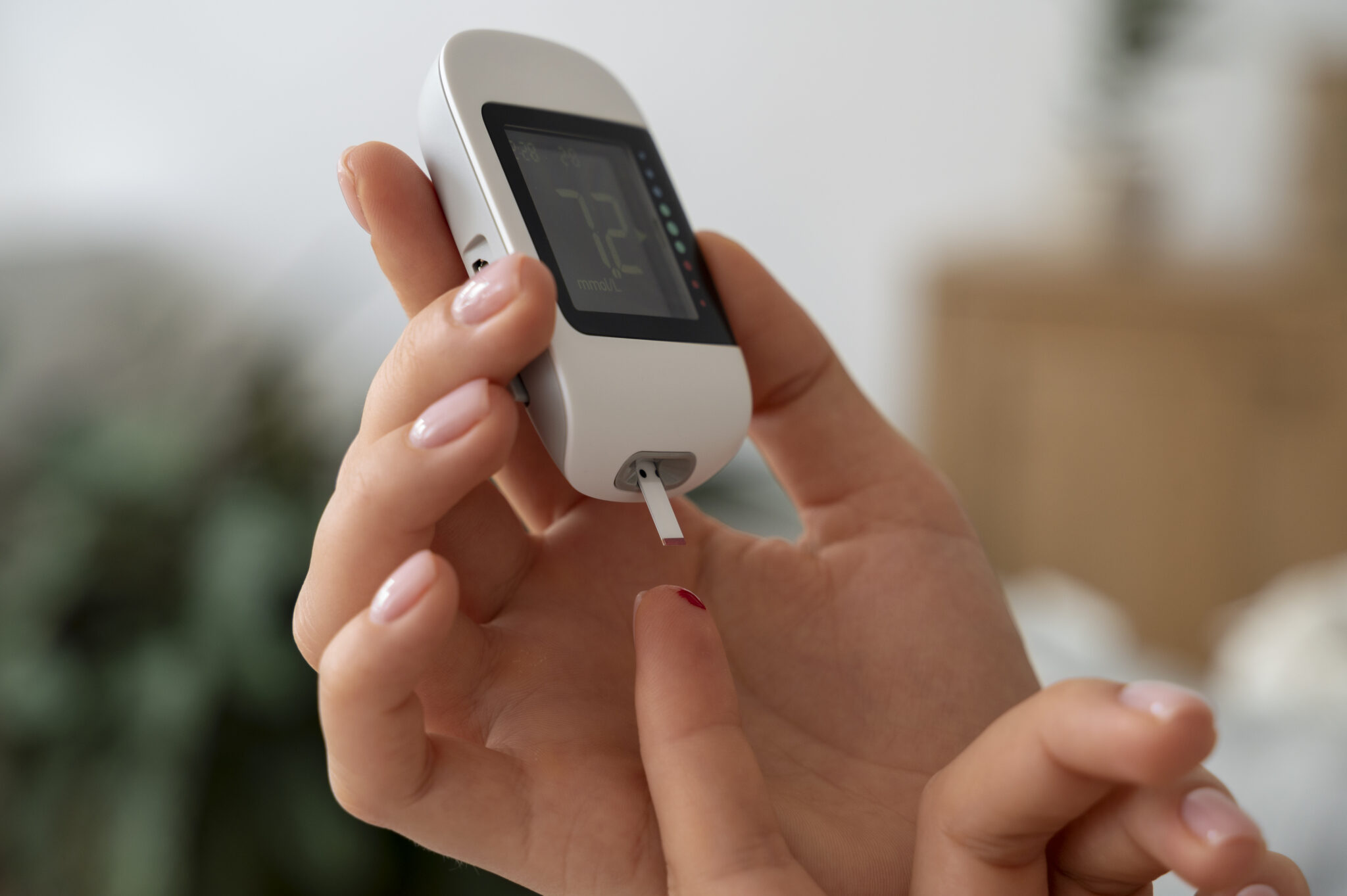
If you have problems with your insulin levels or blood sugar, you have some form of diabetes. There are many different types of diabetes that can affect people in different ways and at different forms in their lives.
Type 1 Diabetes
Type 1 diabetes is a chronic, or lifelong, condition that’s believed to be an autoimmune disorder. It’s typically discovered in childhood, with kids complaining of symptoms like excessive thirst, weakness or dizziness, blurred vision, frequent urination, irritability and mood changes, intense hunger, and unexplained weight loss. The pancreas of someone with Type 1 diabetes either makes very little insulin or no insulin at all, leading to an inability for that person’s body to regulate their blood sugar levels or use glucose properly.
The cause of Type 1 diabetes has yet to be identified, and the condition is incurable, but it is highly treatable with the help of prescribed insulin, regular blood sugar testing, and careful monitoring of glucose intake.
Type 2 Diabetes
Type 2 diabetes, unlike Type 1, develops over time rather than someone being born with it. It more commonly develops later in life, although younger people can get it. It has similar symptoms to Type 1 diabetes and similarly includes the pancreas not producing insulin properly, but in Type 2, the cells in the body also don’t respond to insulin the way they should.
There are certain risk factors for developing Type 2 diabetes, including genetics, weight, inactivity, age, and certain comorbid conditions like polycystic ovarian syndrome (PCOS). Type 2 diabetes can create a huge amount of health risks if not addressed, but the condition is luckily very treatable. There are many medications available to help people with this disease control their blood sugar levels, and lifestyle changes can also be extremely beneficial.
Gestational Diabetes
This is a type of diabetes that develops in a woman during pregnancy when she’s never been diabetic before. No one knows exactly what causes it, but it’s believed that the major changes that happen to all of the body’s hormones during a pregnancy are involved in the sudden inability to manage glucose correctly. Usually, gestational diabetes only lasts for the duration of the pregnancy, with blood sugar levels going back to normal shortly after the birth of the baby.
While the condition is temporary and manageable with medications and a healthy lifestyle, it can pose serious health risks to both the mother and the baby if left untreated. Gestational diabetes also can be more difficult to notice than other types, as its symptoms, like frequent urination, overlap with normal and healthy symptoms of pregnancy. This is why most mothers undergo a test to screen for gestational diabetes at some point during their pregnancy. Women who have gestational diabetes also have a higher risk for developing Type 2 diabetes later in life, and may need additional testing to monitor their blood sugar over time.
Latent Autoimmune Diabetes
Type 1 diabetes is a type of diabetes that someone is born with, a malfunction in their pancreas that has always been there. Latent autoimmune diabetes, or LADA, is similar in that it’s a malfunction in the way the pancreas produces insulin, but it develops and presents more slowly than Type 1, usually discovered in adulthood. It’s sometimes called Type 1.5 diabetes. People with LADA are sometimes diagnosed with Type 2 diabetes by mistake, because the body still makes some insulin but slowly loses its ability to do so. Many people with LADA don’t start out needing insulin injections but reach that point over time. Other medications and lifestyle changes can help LADA to be more manageable.
Like all hormones and functions of your body, insulin is interconnected with many other different hormones and systems, and helping one often helps the other. If you’re interested in learning more about hormones and how hormone therapy might be a helpful treatment for you, you can find more information here!
Your gut health is something that’s important to be cognizant of at every stage in your life. It’s one of the foundations of the overall health of your entire body! During menopause, however, when changing hormone balances throw everything in your system off-kilter, staying on top of your gut health becomes more important than ever.
Your gut, like your hormone system, is deeply involved in the way you feel. The state of your digestive system affects you emotionally, chemically, and physically. The “gut microbiome,” or the thriving ecosystem of healthy bacteria that live in your digestive tract, changes in response to big changes in your body, and menopause is one of them. Paying attention to your digestive flora and taking care of your gut health can be beneficial to many women as they cope with the symptoms of menopause! Here’s how.
Menopause and Your Gut
So, your gut. Exactly what does it have to do with changes to your hormones and your reproductive system? As it turns out, quite a bit! Current research indicates that there is a connection between the microorganisms of your digestive system and your hormone levels, although the study of this phenomenon is still in its very early stages.
There’s also a bit of a chicken-or-the-egg problem, as gut health and menopause can affect a lot of the same things, including weight, mood, cognition, strength, and mobility. Do these things change during menopause because menopause creates changes in the gut, or do these changes spark the alterations in your gut health? It’s too early to say, but one thing is clear– the gut flora and the hormone levels of menopause are definitely connected in some way, and anecdotal evidence strongly suggests that taking care of your gut health helps many menopausal women to gain better control over their symptoms!
Eating for Gut Health
There’s a small difference between simply eating healthy and eating for gut health specifically. Eating healthy takes into account all the systems of the body and the nutrients they need, while gut health zooms in and takes a closer look at what you can put into your body that will keep the thousands and thousands of bacteria in your digestive system happy. There’s a good amount of overlap between the two– eating for gut health usually means eating broadly healthy by default! However, when you’re trying to focus on your gut, there are some main factors to keep in mind.
Fiber
First things first, your gut microbiome loves fiber. A fiber-rich diet is heaven for gut flora, which eat the soluble fiber you take in, while the insoluble fiber works to keep your digestive tract functioning like it should. Adding lots of fresh fruits and vegetables, whole grains, dried fruits, nuts, seeds, and legumes to your diet will give your gut microbiome plenty to work with.
Probiotics
Many of us know the word probiotic and that it applies to foods like yogurt and sauerkraut, but fewer people actually know what the term means. Probiotic foods actually contain living bacteria and microorganisms of their own– this is why fermented foods are usually considered probiotic. Adding these foods to your diet helps keep up the population of bacteria in your gut. Adding things like tempeh, kimchi, kombucha, kefir, and other fermented foods to your diet is a good step towards maintaining your gut health. It’s good to look for labels that advertise “live cultures,” as this means the bacteria in the food are still alive and ready to go to work.
Prebiotics
Probiotics and prebiotics– what’s the difference? Essentially, probiotics bring more good bacteria into your system, and prebiotics give them their very best source of food, mostly nutrient-dense soluble fiber. Prebiotic foods like asparagus, bananas, oatmeal, artichokes, onions, garlic, and leeks are delicacies for your gut microbiome, giving them the fuel they need to thrive and maintain a steady balance.
Hormone Replacement Therapy for Menopause
Addressing your gut health through your diet can have a positive ripple effect on the health of your entire body, especially during a turbulent time like menopause. For some women, however, this still isn’t enough. Seeking out other means of addressing your menopausal symptoms, like hormone replacement therapy, can often be a helpful option that lets you get the most out of lifestyle changes like eating for your gut microbiome. You can learn more about this option here!
Any woman who’s been through it can tell you that menopause is about more than just your period stopping– it affects your whole entire body, and often not in the most pleasant ways. If you’re currently going through menopause and are wondering if some new change in your body is caused by it, there’s a good chance that the answer is yes! One thing that some women can experience is changes to their hair. You might notice your hair thinning or shedding in large amounts and looking more sparse than it has before. It may also become dry and frizzy where once you had no problem managing it, or you may notice yourself losing hair length as it suddenly becomes brittle and begins breaking. These changes are upsetting and difficult to deal with, but there are steps you can take to help them! Here’s what you need to know.

Hormones and Menopause
At the end of the day, pretty much every change that menopause puts you through comes down to your hormones– specifically, the fact that there are less of them. As your body enters menopause, the levels of female sex hormones in your body (namely estrogen and progesterone) drop far lower than they were during the rest of your adult life. This causes your period to stop, but also impacts many, many other things in your body, like your weight, skin, hair, temperature regulation, and so on. If you can’t pin down any other reason that your hair might be looking so much different at this time in your life, it’s likely that menopause is the culprit!
Common Menopausal Hair Changes
It’s not uncommon at all for women to struggle with hair loss or other changes during menopause– in fact, it’s pretty common! Some of the things that you might notice are heavily shedding hair, where you can find large amounts of hair left in the shower drain, on your pillow and clothes, or on your brush, or thinning hair that you see on your head through bald spots that you hadn’t noticed before or thin, straggly hair lengths and ends. You might also find that your hair and scalp are very dry to the point of itching and flaking, or you may find that your hair breaks very easily now and you’re losing length. These changes can be upsetting and might make you feel insecure about your hair, but try not to panic! There are things you can do to help counteract the process and help you continue to feel beautiful and confident.
What to Do?
Hair Regrowth Treatments
Treatments for hair loss like Rogaine are often seen as something only intended for male pattern baldness, but anyone can use it to help their hair grow back in! Chemotherapy patients have relied on these treatments for many years, and you might get some benefit from them too. You can find these treatments, usually containing the drug minoxidil, over the counter at any drugstore. Use them as directed and you might start to see some good results! If you have any troublesome side effects from these treatments, make sure to talk to your doctor about them.
Diet Changes
Overhauling the way you eat in order to supply your body with much-needed nutrients is often a very important part of addressing a hair loss problem, and it can have many other benefits for your health and wellbeing, so it’s always good to give it a try! Take a look at your typical diet and see if there are any places where you can add in more protein, healthy fats, and colorful fruits and vegetables, as all of these nutrients are important to helping your body grow strong and healthy hair. Even just adding a multivitamin or some fish oil to your daily routine, if you don’t take these supplements already, can help you to see a difference!
Hair Care Changes
Changing the way you look after your hair is always a good place to start if you’re unhappy with the results you’re seeing. As you age, it’s normal to have to adapt your hair care routine to the new needs of your hair and scalp! Washing your hair less frequently, detangling it more gently, and moisturizing it more intensely with oils, deep conditioners, and hair masks are all good places to start. You can also try sleeping on slippery fabrics like silk and satin in the form of pillowcases, bonnets, nightcaps, or hair scarves. This will minimize friction and breakage on your hair ends and help maintain your length. Scalp massage is also something you can try. This technique can help stimulate your hair follicles while also acting as a relaxing habit.
Hormonal Treatments
If you’re really struggling with hair changes during menopause, addressing the root cause of the issue– your falling hormone levels– might end up being the key to solving your problems. Hormone replacement therapy can help alleviate the difficult symptoms of menopause like hair loss, so don’t hesitate to contact us today to set up an appointment at Renewed Vitality. We can help you to start feeling like yourself again!
There are certain aspects of getting older that everyone dislikes, but for many women, there’s one looming specter of dread on the horizon– menopause. It’s something that you hear horror stories about from your female friends and relatives from your youth, and by the time menopause is drawing closer for you, it’s enough stress to make anyone start sweating!
In spite of the way we all often talk about menopause, it’s a very natural and normal part of a woman’s life, even if it has its unpleasant moments. Many women consider it a mark of age and wisdom that deserves to be celebrated! However, no matter what your opinions about menopause are, when you’re staring into the face of a major change to both your body and your life, it can still be intimidating. The solution? Information, and as much of it as possible! Learning what you can expect to experience throughout menopause, especially in the early stages, can do a lot to alleviate your fears and make everything more bearable. This quick guide is an excellent place to start!
Menstrual Changes
Significant changes to your menstrual cycle are the hallmark sign of menopause, but unfortunately, this doesn’t mean that your period will just conveniently drop off and never start again. While this can happen for some women, most women experience about a year’s worth of changes to their cycle before it stops for good, like skipping periods for a few months before starting them again, much heavier or lighter flows, different symptoms than you’re used to, or any number of unexpected changes. Once you’ve been without your period for an entire year, you’re officially medically considered to be in menopause.
Hot Flashes
Every woman fears them as she starts to get older– the dreaded hot flash. It’s not 100% clear what about menopause triggers hot flashes to happen, although research seems to suggest that falling estrogen levels in your body can cause the parts of your brain that regulate body temperature to go haywire. While every woman’s experience with menopause is different, hot flashes are very common to experience, and extremely irritating and uncomfortable. Taking precautions like dressing in loose, light layers and avoiding triggers like warm rooms and spicy foods can help, but if your hot flashes become a serious problem during menopause, your doctor might recommend a treatment like hormone replacement therapy to help get them under control.
Sleep Problems
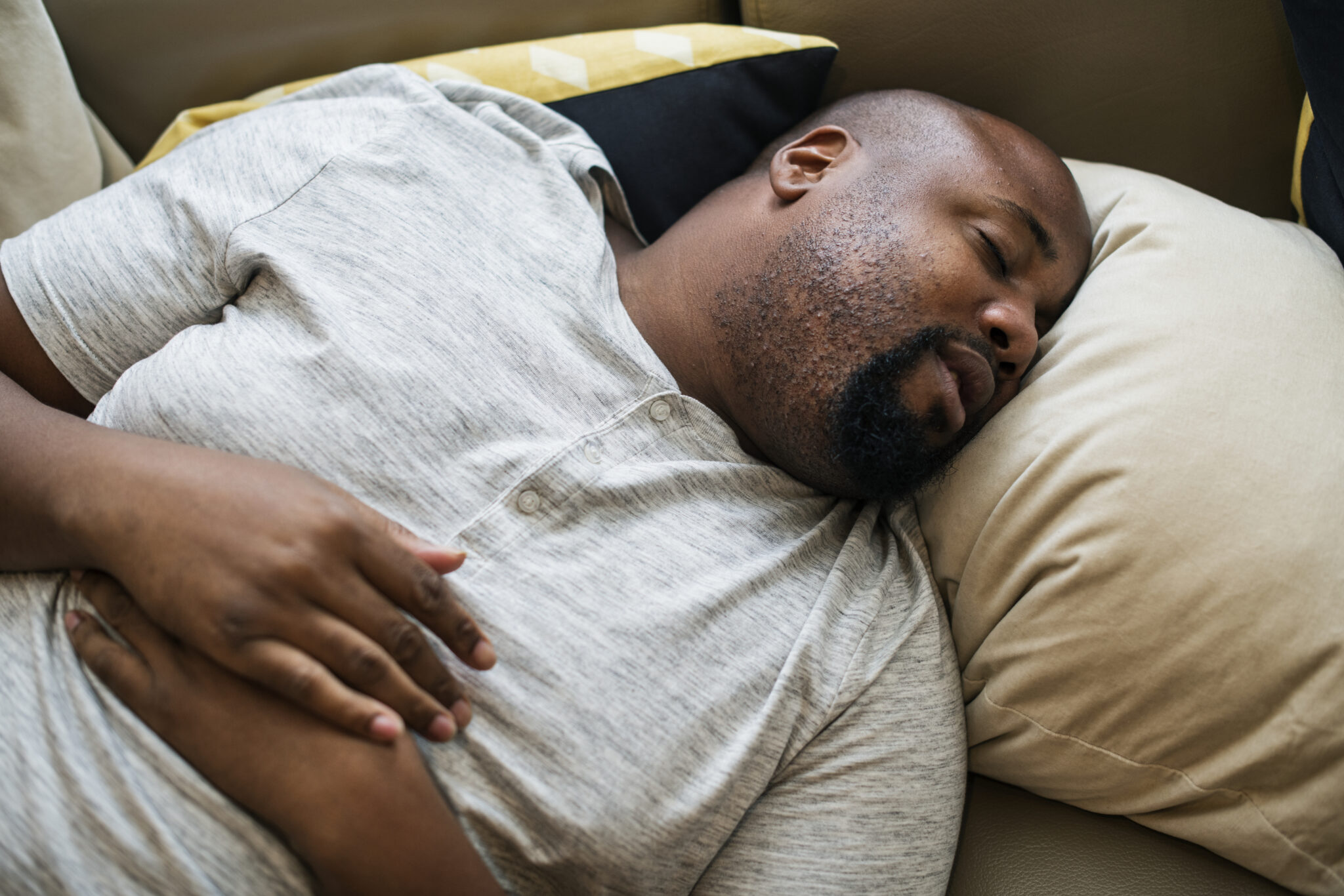
The rising and falling hormone levels of menopause can affect just about every process in your body. After all, hormones are the chemical messengers that control everything your body does! Sleep is one of the places that many women struggle with the changes of menopause. Hot flashes and night sweats can disrupt your rest, and you might find yourself feeling sleepy or wide awake at hours you’re not used to, or feeling inexplicably tired and needing more rest. If your sleep problems are causing you distress, they can and should be talked about with a medical professional, but don’t stress too much over minor changes to the way you sleep. With such a big shift in your body, it’s to be expected!
Mood Changes
In many ways, menopause is similar to puberty. Both of them are times of significant physical and hormonal changes in the human body, and they can come with similar issues. One of those issues is mood changes. If you thought that hormonally-triggered mood swings were only limited to pregnancy and your teenage years, think again! Menopause can trigger the same unpredictable shifts in how you’re feeling from moment to moment, which can be just as tough to handle. Try to approach these unexpected moments of anger, irritability, sadness, or other emotions with patience and compassion for yourself, and keep an eye on how often you feel down and how drastically your moods fluctuate. If you become concerned, don’t hesitate to discuss the issue with your doctor to ensure that nothing more serious is going on, and to talk about ways to feel better!
Body Changes
Shifts and transitions in the way your body looks and feels are a normal part of aging, even if they’re a part that isn’t always the most fun. The onset of menopause and the dropping off of your estrogen levels can lead to a lot of new things in this department. You might notice your skin becoming drier and less elastic, and your breasts losing volume. You may struggle with vaginal dryness that causes sex to become less enjoyable or even painful, and it’s very common for women to gain weight during menopause as well. Again, these are all normal changes and not any cause for alarm, but that doesn’t make them any less frustrating! Like many of the tough-to-manage symptoms of menopause, seeking out treatments like hormone replacement therapy can help to ease you through this transition more comfortably.
Entering menopause can certainly be a stressful time in a woman’s life, but with the right mindset and a little help, it doesn’t have to be! If you’re interested in learning more about how hormone replacement therapy can help to make menopause easier for you to manage, contact our team here at Renewed Vitality. We’ll be happy to answer any questions you might have!
Most of us are familiar with melatonin today. We know that it has to do with sleepiness and our sleep cycle, and that we can buy it in vitamin form to help us nod off at night. You might even know a little bit about what affects your natural melatonin levels, like light exposure. But did you know that just like estrogen, testosterone, dopamine, and adrenaline, melatonin is a hormone?

Melatonin is just one of the many, many hormones that act as chemical messengers in our body, allowing the different systems to communicate with each other and interact to keep your normal bodily functions– like sleep, digestion, and the reproductive system– working properly. For everything we know about melatonin, it still remains a mystery in some ways, and scientists and researchers are trying to figure out just what makes it tick. Want to know more about melatonin and what it does in your body? Keep reading to find out!
What is Melatonin?
Melatonin is a hormone, and it’s often referred to as the sleep hormone, because that’s just what it does! Melatonin is the main chemical at work in your body to keep your sleep cycle regular. When you start feeling drowsy at night, that’s your body’s natural melatonin at work!
Melatonin is also available as a supplement that you can take to help yourself fall asleep. While melatonin isn’t regulated by the FDA, it’s generally considered safe and non-habit forming, though it’s best used only for short periods of time, and at specific doses. The amount of melatonin in your favorite gummy is probably quite a bit higher than what you should be taking! Experts recommend starting with just 1 mg of melatonin and increasing your dosage slowly to get up to 10 mg only as needed. You should also be taking melatonin at least an hour before bed if you decide to use it, not right before you hit the sheets!
What Does Melatonin Do?
Melatonin is the main force behind your ability to sleep. Rising levels of melatonin in your body help you to feel relaxed, drowsy, and ready to nod off, while falling levels of melatonin in your body make it easier for you to wake up and feel alert and rested. Your circadian rhythm is the term for your body clock or internal clock– the rhythms of changing hormone levels and functions in your body that take place over a period of time. Melatonin is very closely tied to that cycle, and in a normal, healthy body, your melatonin levels will rise and fall at the same times every day, allowing you to have a regular and healthy sleep schedule!
Melatonin also plays a role in your immune function, blood pressure, and your levels of cortisol, or the stress hormone. Notice that these are all things that start to go out of whack when you aren’t sleeping properly!
Where is Melatonin Made?
Melatonin is produced in the pineal gland, a tiny organ in your brain that’s a part of the body’s endocrine system. The time of day, which your body knows based on activity levels and light exposure, plays a role in melatonin production. When you’re exposed to more light (like you would be earlier in the day), your pineal gland doesn’t produce melatonin, allowing you to stay awake and alert. When you’re slowing down your activity and are exposed to less bright light at night, melatonin production in the pineal gland ramps up, getting your body ready for sleep and making you feel tired!
How Does Melatonin Affect Me?
If you had absolutely perfect sleep hygiene (the term for having optimal light exposure, activity, levels, and sleeping habits) and a completely normal and healthy circadian rhythm, you would never have any trouble falling asleep. However, this isn’t the case for anyone! Almost everyone has a few habits that they’re unable to get away from that disrupt their melatonin production and thus their sleep, like using screens and other bright lights too late at night or not being able to keep a regular bedtime or waking time. These things can cause your melatonin levels to be a little off from where they should be, leading to sleepiness during the day or trouble falling asleep at night. In most cases, these problems are temporary and not serious, and a few nights of being better about your sleep habits or taking a sleep aid like supplement melatonin can get you back on track, even if your sleep still isn’t perfect.
However, some people struggle a lot more with their sleep, to the point of having sleep disorders! Problems like sleep apnea aren’t closely related to melatonin production, but circadian rhythm disorders are. Let’s take a closer look at these issues!
What Causes Melatonin Problems?
If you have serious problems falling asleep, staying asleep, or staying awake during the day, it’s a safe bet that your melatonin levels are involved somewhere in the mix. Sleep disorders can arise for a lot of different reasons and make it hard for people to have average sleep habits. Some of these disorders include:
Insomnia
One of the most common sleep disorders out there, insomnia is difficulty falling asleep or staying asleep at night that’s more frequent and pervasive than the odd sleepless night. If you find yourself lying in bed unable to fall asleep for hours or waking up multiple times throughout the night, especially if you have a hard time falling back asleep afterwards, you’re probably suffering from insomnia!
Blindness-Related Circadian Rhythm Disorders
People who are completely blind and have no light perception in their eyes often struggle to feel sleepy or alert at socially acceptable times. This can become a serious problem that affects their relationships and ability to hold a job, as well as their physical health like their weight and their mood. While it can be debilitating to have these disorders, there are treatments that can help.
Non-24 Hour Sleep-Wake Disorder
This is a sleep disorder where a person’s circadian rhythm doesn’t fit a 24-hour pattern, but is instead longer or shorter than a day, causing them to constantly be feeling sleepy at times when they shouldn’t be or be alert when they should be asleep. Their sleep times are constantly moving earlier or later, occasionally lining up with socially acceptable hours before misaligning again. It’s considered to be a chronic problem, although some treatments are available that can lessen its effects.
Delayed Sleep Phase Disorder
People with delayed sleep phase disorder, or DSPD, have a circadian rhythm that is a normal 24 hours in length but that doesn’t match up with most people’s sleeping times. Someone with this condition naturally stays up much later and stays asleep much later than the average person, often being awake until well past midnight and sleeping into the afternoon. It’s common for teenagers to show signs of this problem, although most grow out of it in their adulthood. Some people, however, have DSPD as a chronic condition throughout their lives, and don’t ever grow out of it, leading to problems in their career and social life. They’re not lazy, and they’re not sleeping more hours than the average person, their internal clocks just don’t line up with the hours that society tends to function at!
Advanced Sleep Phase Disorder
Advanced sleep phase disorder, or ASPD, is the counterpoint to DSPD. If you or someone you know naturally wakes up at the crack of dawn and can’t stay awake for long in the early evening, it’s probably this! Where DSPD is more than just being a “night owl,” ASPD is more than just being an “early bird.” People with this disorder often wish they could sleep later or stay awake later. They may suffer in their social life because they can’t stay awake at the later hours when people often like to spend time together after work, and severe cases may affect their jobs as well.
Shift Work Sleep Disorder
People who work outside normal hours, such as taking very early morning shifts or very late graveyard shifts, often struggle with something called shift work sleep disorder, or SWSD. Some people seek out these jobs because they have something like DSPD or ASPD where their natural cycle aligns with the requirements of the job, but for someone with an average circadian rhythm who works a job like this, they will constantly struggle with needing to be awake when they want to be asleep and needing to sleep when their body wants to be awake. This can lead to a lot of serious problems in a person’s mental and physical health.
Melatonin is involved in all of these sleep disorders, but taking melatonin supplements isn’t the magic pill to cure them, even though melatonin therapy as indicated by a doctor can sometimes help to provide relief. When a person’s circadian rhythm, and thus their melatonin levels, are out of sync with what is considered normal, it’s a deeper problem. Your circadian rhythm is something that’s programmed into your body– resetting it is not as simple as taking a sleep aid and going to bed on time for a week or two. Part of the reason that these problems are still so hard to treat is because sleep in general, including melatonin and the circadian rhythm, are very mysterious. While there is a lot we do know, like certain important processes that happen while we sleep, the deeper mechanics of just why sleep is so important to us as humans is still unknown. As scientists and researchers continue to work to learn about this process, more answers will become available, and hopefully we’ll gain a better understanding of melatonin and how to treat sleep problems, from simple occasional insomnia to more serious issues!
If you’re interested in learning more about the many hormones that work in the body, you can continue to read our blog here at Renewed Vitality!